


Tài liệu tham khảo
Pros and Cons of Trading Indices with CFDs: A Practical Guide
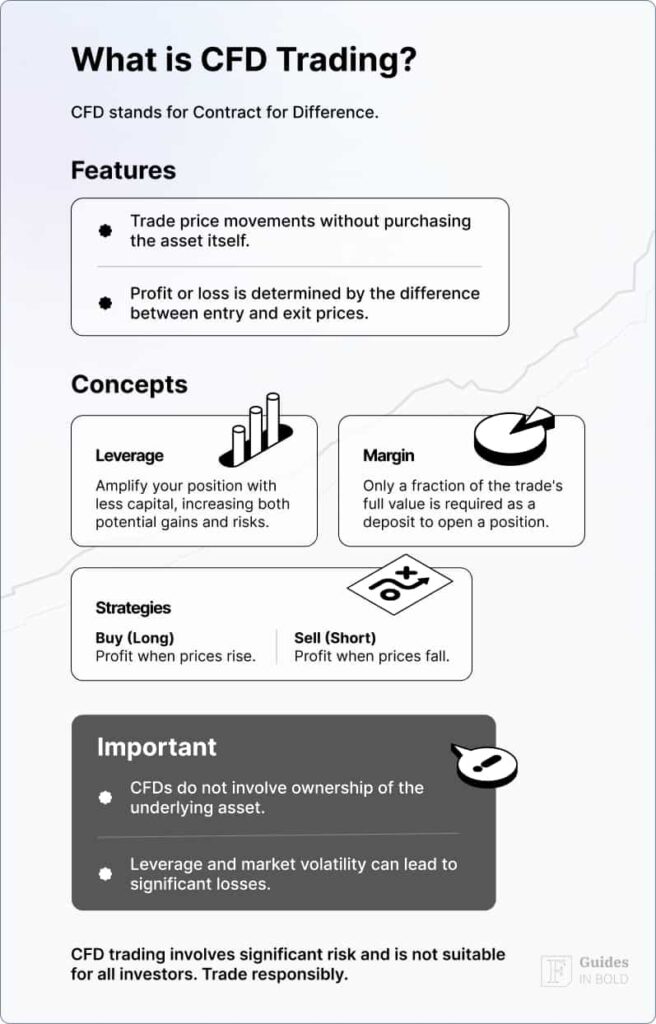
For example, let’s imagine there’s a stock index called ABC Index and it’s comprised of 5 companies with the following names and share prices. CFDs also use leverage, so you only need a fraction of the total trade value as deposit – amplifying both potential gains and losses. CFDs are priced based on the value of the underlying asset, with adjustments to reflect transaction costs like spread, commission and overnight charges. It’s important to remember that potential profits and loss will be magnified, as it will be calculated on the full size of your position – not just the margin. Leverage in CFD trading enables you to get full market exposure for a small initial deposit, known as margin.
Potential for increased losses
Available instruments may change, so check the trading page for the latest list. As a rule of thumb, you should never invest more than you are comfortable losing. Most CFD indices trading platforms are easy to use, and entering/exiting your position is quick and simple. You will be presented with the options to buy (long) or sell (short) your chosen index.
Forex.com
CFDs are more flexible, with no fixed expiry date, allowing traders to open and close positions at any time, usually offered by brokers with access to a wide range of markets. Futures, on the other hand, are standardized contracts traded on exchanges with a set size and expiry date, often used by institutions for hedging as well as speculation. While CFDs are generally more accessible for retail traders, Futures tend to involve larger capital requirements and stricter trading conditions. However, leverage also makes CFDs high-risk, since it can magnify losses as much as profits, and they are designed more for short-term speculation than long-term investing.
CFD Activity Falls; MetaQuotes 1 Trillion AI Token Use
This amplifies both potential profits and losses, so it’s important to understand all the risks involved. Before initiating a leveraged CFD index trade, it’s vital to establish a comprehensive trading strategy. This includes deciding the amount of capital to invest, setting parameters for stop-loss and take-profit orders, and assessing overall risk tolerance.
Monitor your CFD trade and close your position
Investing in financial markets often involves trading indices and forex, two prevalent methods that offer diverse exposure. Indices trading centres around monitoring the performance of a group of stocks, while forex trading involves the buying and selling of different currencies. Bear in mind, though, that because they are leveraged, you can lose more than your margin amount in CFD trades as both losses and profits are calculated based on the entire value of your position.
CFD Indices – Buy, Sell and Trade
Then, apply the RSI with the default 14-length setting, and overbought signals at 70, oversold at 30. This can also help you be prepared for fakeouts, a scenario where a breakout appears to happen, but is quickly reversed. Your success in trading CFD indices depends on how well your strategy aligns with an index’s behaviour, along with its win rate, drawdown, and the CFD’s pip value calculation.
When Is The Best Time To Trade CFD Indices?
Although trading Index CFDs spares you from many of the costs of traditional trading, you are required to pay the costs of spreads at entry and exit positions. This means that it’s potentially more difficult to make small profits. Trading Index CFDs can be used as a hedging strategy to offset potential losses in an existing portfolio.
CFD trading is designed to mimic trading each underlying market relatively closely. Our CFD prices are only driven by the movements of the underlying market. Some asset prices have a spread wrapped around it, while other CFD trades will incur a commission – it all depends on which market you’re trading.
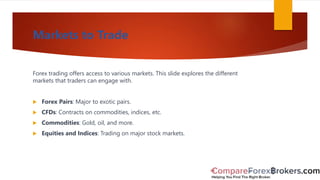
How To Start CFD Indices Trading
That’s because your initial margin would only be 20% of the total $40,000 trade value ($8000). But remember, your profits or losses will be calculated on the full $40,000 value of the position, not the $8000 margin. Index trading generally offers more stability because movements are spread across multiple companies. In contrast, individual stocks can experience sharper price changes, both up and down, due to focused exposure. For example, when interest rates rise, stock markets often come under pressure.
Why Traders Choose Individual Stock CFDs
- Consider factors such as regulatory compliance, trading platforms offered, available markets, fees, and customer support.
- This is a US index of the 100 largest non-financial companies that are listed on the NASDAQ stock exchange.
- So the practical way to trade stock indices is via derivative futures contracts, bought through a bank or futures broker, or other derivative products like CFDs.
- Remember to factor in the cost of the spreads and swaps when calculating profits or losses.
- This example demonstrates how a trader can profit from correctly anticipating market movements using CFDs.
- Experienced traders stay informed about the latest developments and use this information to anticipate market movements.
Bycultivating these qualities and adhering to a well-defined trading plan,aspiring traders can enhance their prospects of becoming better and consistently profiting from their trades. As such, it’s important to exhibit adaptability andflexibility in one’s approach. Traders adjust their strategies as marketconditions change, ensuring their trading style remains aligned with currenttrends. They embrace new technologies, tools, and trading platforms thatenhance their efficiency and provide a competitive edge.
This makes index CFDs useful for traders who want to focus on broader trends rather than individual company performance. Instead of analysing earnings reports or company news, traders can concentrate on macroeconomic factors such as interest rates, inflation, and overall market sentiment. They conduct thorough research, analyze charts, andinterpret technical indicators to identify trading opportunities. Theyunderstand fundamental analysis and keep track of economic indicators that mayimpact the markets. Through diligent analysis, they develop a deep understandingof the underlying assets they trade, enabling them to make informed decisions. Let’s assume that you expect Tesla’s share fxverge review price to decline, so you decide to open a short position by selling 10 shares of Tesla via CFDs at $428 each.
CFDs across Foreign Exchange, Metals, Commodity and Stock markets around the globe
Take note that you’ll also have to choose the platform you wish to trade on, that is, MetaTrader 4 or MetaTrader 5. If you are not sure about the right trading platform for you, you can read this guide on the differences between MT4 and MT5. CFD brokers often provide lower entry costs than traditional exchanges, with competitive spreads, no stamp duty in certain jurisdictions, and efficient online platforms. Because CFDs are essentially a derivative market that enables traders to solely speculate on prices, there are many benefits to trading CFDs. This characteristic enables traders to engage in markets efficiently, focusing on price speculation rather than asset ownership logistics. This flexibility allows traders to capitalize on various market conditions without the constraints of traditional asset ownership.