


Tài liệu tham khảo
Exploring the psychology behind casino winnings and losses
The Thrill of Winning
The excitement of winning at a casino can create a powerful psychological high. This thrill is often intensified by the bright lights, sounds of celebration, and palpable energy that can overwhelm a player’s senses. When someone wins, their brain releases dopamine, a neurotransmitter associated with pleasure and reward. This immediate gratification can lead to a cycle of behavior where individuals seek out that euphoric feeling again, often disregarding the odds stacked against them. Additionally, some individuals may turn to the best uk non gamstop casinos as they chase their next big win.
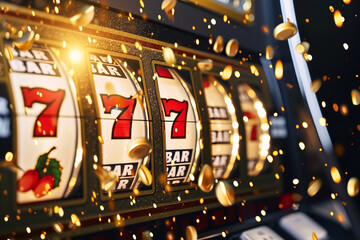
This reward system can forge a strong psychological attachment to gambling. Players may develop a mindset that future winnings are just around the corner, leading them to invest more time and money in hopes of replicating that winning experience. This phenomenon is often referred to as the “near-miss” effect, where just falling short of a win can foster a desire to continue playing, underlining how powerful our emotions can be in influencing our decisions.
The Weight of Loss
Conversely, the psychology behind losing at a casino can manifest in several detrimental ways. Losses can trigger feelings of frustration, embarrassment, and even denial. Many gamblers struggle with the concept of loss, as it can clash with their expectations of winning. This conflict can lead to a variety of emotional responses, including anger towards oneself or the game itself.
Moreover, players often fall prey to the “sunk cost fallacy,” where they continue to gamble in an attempt to recover their losses. This mindset can lead to spiraling debt and further emotional distress, creating a vicious cycle that is hard to escape. Understanding the mental impacts of losses is crucial for players wishing to take a step back and reassess their gambling habits.
The Gambler’s Fallacy
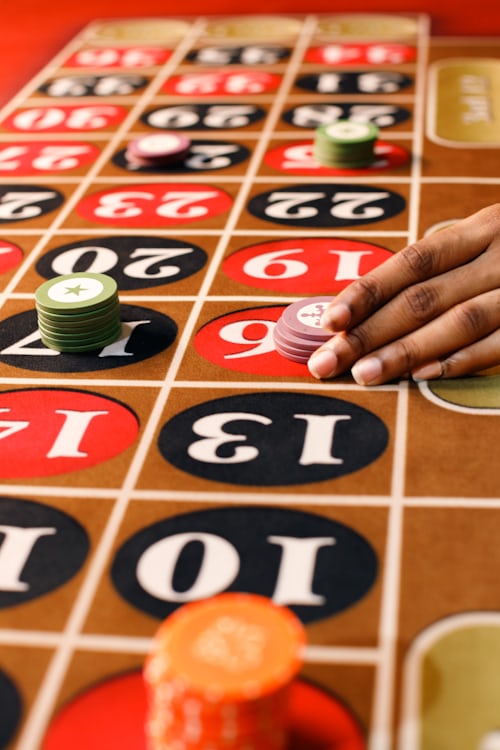
The gambler’s fallacy is a common cognitive distortion in which players believe that past events influence future outcomes. For example, a player might think that after a series of losses, a win is due. This misconception can lead to reckless betting behaviors, driving individuals to stake larger amounts in anticipation of an imminent win. The randomness of games like slots and roulette, however, makes every outcome independent of the previous ones.
This fallacy illustrates how cognitive biases can impair judgment and influence decision-making in gambling. Awareness of these biases is essential for players who wish to gamble responsibly. Educating oneself about the game can help mitigate the psychological effects and foster a more balanced approach to gambling.
The Role of Social Influences
Social dynamics also play a significant role in the psychology of gambling. Whether in a lively casino setting or an online platform, the presence of other players can amplify emotions associated with wins and losses. This communal atmosphere can create a sense of camaraderie, but it may also encourage individuals to bet more aggressively than they would alone.
Additionally, peer pressure can exacerbate gambling behaviors, leading individuals to take risks they might not otherwise consider. Understanding the impact of social influences is vital for recognizing how external factors can shape gambling habits and experiences, potentially leading to unhealthy gambling practices.
Empowering Financial Futures with Informed Choices
At Homepoint Financial, we understand the intersection of financial decisions and emotional well-being. Our commitment is to equip individuals with the knowledge they need to navigate financial landscapes, whether through mortgage solutions or understanding responsible gambling practices. By providing insightful resources and expert support, we aim to empower individuals to make informed choices that enhance their financial futures.
Our platform is designed to facilitate a seamless journey towards financial stability, ensuring that clients have access to a wealth of information. Trust us to guide you through every financial decision, helping you cultivate a prosperous future while making mindful choices in all aspects of life, including gambling.