


Tài liệu tham khảo
Margin Trading: Learn How to Trade on Margin
Vanessa Polson is a marketing manager at NordFX with over twelve years of experience in online marketing within the financial services industry. She has developed and executed data-driven campaigns across search, social, and display channels in in-house environments. Her work focuses on translating complex financial products and trading tools into clear, practical educational content, giving her a broad and well-rounded view of the global trading landscape. You see the margin requirements in the order preview (before you release the order with „Override and Submit“).The example image shows the requirements for an IBDE30 CFD. IB performs a stress test on the portfolio by inducing a drawdown equal to 30% on the two largest positions and 5% on the remaining positions. The total loss is used as the minimum margin requirement if it is greater than the standard requirement.
Can I adjust my leverage to change my margin requirements?
Initial margin is the amount needed to enter a new position or new trade and is usually a set percentage of the value of the contract being traded. In this case, £1,500 is the set level which should cover any potential losses on the position between business days. In simple terms, CFD trading (Contracts for Difference) is a way to trade on the price movements of assets like stocks, forex, or commodities without actually owning them. If you’re right, you make a profit, and if you’re wrong, you take a loss. It also allows you to use leverage, meaning you can trade with a smaller amount of money, but this makes both potential profits and losses bigger. CMC Markets Canada Inc. is a member of the Canadian Investment Regulatory Organization and a Member of the Canadian Investor Protection Fund.
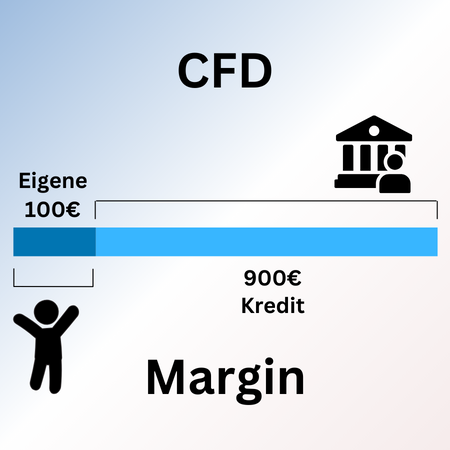
For example, if a trader expects a company’s shares to rise, they could open a long (buy) position of 10 CFDs at $100 each, spending a total of $1,000. Each of these CFDs would be worth $1 in price movement, so if shares reach $110 by the time they close the position, the trader would make a $100 profit. The same is true for when the market doesn’t move in their predicted direction, in which case, they would’ve made a $100 loss. Margin allows traders to open CFD positions for a fraction of the full value, rather than paying the entire position upfront. This gives traders a level of exposure to the financial markets that they may not have been able to access otherwise.
What are the main risks of CFD trading?
On Switch Markets, you can click on the Open Account button to sign up for an account. You will then get transferred to our cabinet, where you’ll be asked to upload a document and verify your identity. Discover the range of markets and learn how they work – with IG Academy’s online course. StockWire X may have commercial relationships with some contributors or companies mentioned in our content. StockWire X makes no guarantee as to the accuracy, completeness, or timeliness of the information provided, and accepts no responsibility for any loss arising from reliance on it.
Proper position sizing is one of those fundamental risk management principles that separate profitable traders from those who blow up their accounts. Brokers require you to cover your margin by equity to mitigate risk. If you don’t have enough money to cover potential losses, you may be put on a margin call, where brokers would ask you to top up your account or close your loss-making trades. If your trading position continues to worsen you will face a margin closeout. In the example above, the margin is £1,500 and this is the minimum amount needed in the trading account to let the CFD broker allows the investor to trade.
Which brokers offer competitive CFD margin rates?
If you fail to comply, the broker may close the position, or ‘force liquidation’ to limit further losses. CFD trading is tightly regulated, and margin requirements typically range from 3% to 50%, depending on the underlying asset, the broker, the trading platform, and current market volatility. Lower margin requirements increase leverage, which can amplify both potential gains and losses. In return for being able to trade on this minimum margin (Initial Margin), the CFD provider charges interest on the full face value of the underlying position.
Margin Level and Free Margin
While leverage can magnify profits when the market moves in your favour, it also magnifies losses when the market moves against you. Even a small adverse price movement can quickly erode your margin and lead to a margin call or automatic position closure. This is why leverage is one of the most important concepts to understand when learning how CFDs work. This example shows how CFD trading explained in numbers highlights that small price moves in the underlying market can create meaningful profit or loss on a leveraged position. When the funds available in the trading account are no longer sufficient to meet the margin requirement, the CFD broker will usually close all CFD positions. So if you feel the share price of a stock will fall, you could ‘short’ it by selling a stock CFD.
What is a margin call in CFD trading?
Being able to enter with a relatively lower margin means traders can leverage higher and enter the market with less capital. This key advantage makes CFD a good option for beginner traders or small-scale investors looking to minimize risk. Initial margin is set by the exchange and represents the full amount needed to carry a position past the daily close. Every clearing firm and broker uses the same initial margin rates because they come directly from CME, ICE, or whatever exchange you’re trading. It allows you to open larger positions and trade assets you otherwise could not afford.
Services
Instead, you enter into a contract with a broker on the price development of the stock based on how you think the price of the stock will eventually move, up or down. The price of the CFD is based on the value of the underlying asset. The information on this website does not constitute investment advice, and InvestingBrokers.com does not make any offers or solicitations to buy or sell any financial instruments. You’ll naturally allocate your plate space (capital) based on these “prices” (margin requirements).
not monitoring correlation risk
The amount of margin required is closely tied to the volatility of the market. Sudden price fluctuations can quickly erode a trader’s margin, leading to margin calls. For example, in highly volatile markets, such as cryptocurrency or commodities, price movements can be drastic, and positions can go from profitable to unprofitable in a short time. The greater the leverage, the lower the margin required to control a larger position. Leverage allows traders to amplify their potential returns, but it also magnifies the risks involved. High leverage increases both the potential for larger profits and the possibility of greater losses.
How to Invest in the Dow Jones: 5 Ways to Gain Exposure
- The margin level, calculated as equity divided by used margin and expressed as a percentage, is the metric platforms use to monitor this threshold.
- Since CFDs are leveraged products, they allow traders to control a larger position with a relatively small amount of capital.
- The total loss is used as the minimum margin requirement if it is greater than the standard requirement.
- The amount of the cash settlement is calculated using the “difference” between the price at the open and close of the trade.
- Safety depends on your risk controls, position sizing, and choice of broker, as well as any regulatory protections in your region.
- Traders must carefully analyse the market and use risk management strategies.
Being defined as a complex product, it comes with a high risk of losing money due to leverage. CFDs are classified fxverge.com reviews as complex instruments and are not suitable for every investor as they come with a high risk of losing money rapidly due to leverage. Traders must constantly assess the market conditions and their positions to ensure that they are not at risk of a margin call.
How does initial margin differ from maintenance margin?
By understanding and managing these costs, you can optimize your trading strategy and improve your net returns with underlying assets. A margin call is a notification triggered when account equity drops to a level where used margin is no longer adequately covered. The margin level, calculated as equity divided by used margin and expressed as a percentage, is the metric platforms use to monitor this threshold. A margin call is typically issued when margin level falls below 100%.
If you receive a margin call, you need to add more funds to your account or close positions to cover potential losses in order to continue trading. Margin in CFD trading allows traders to control larger positions with less capital, amplifying potential gains and risks. However, a sound strategy and active risk management are key to mastering margin in CFD trades. At IG, we offer tiered margining, applying different margin requirements at different levels of exposure.